Fresh Basil Pesto Recipe
Introduction
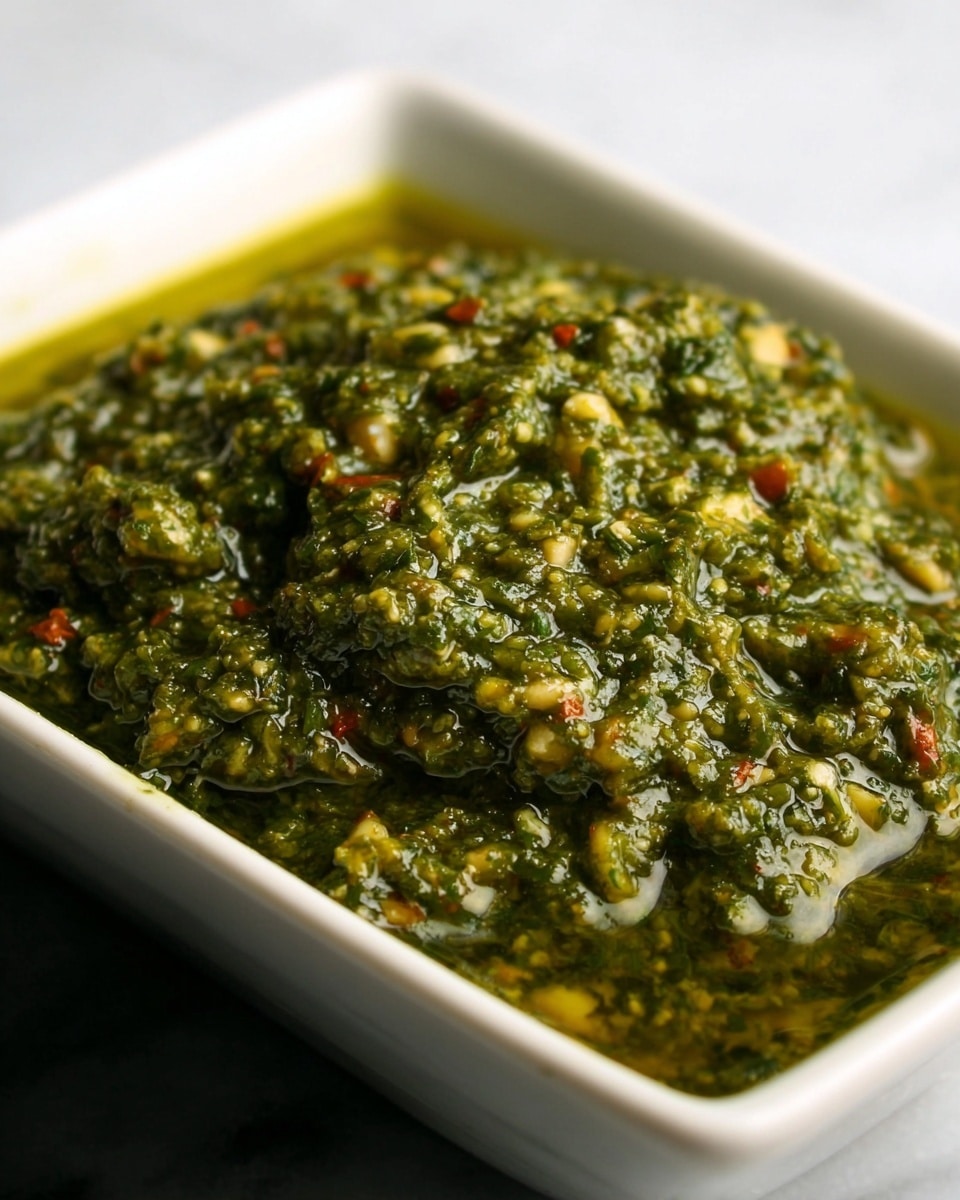
Basil pesto is a vibrant, fragrant sauce that brings fresh herb flavor to pasta, sandwiches, and more. Made with basil, parmesan, and pine nuts, it’s easy to prepare and endlessly versatile in the kitchen.
Ingredients
- 5 cups packed fresh basil leaves
- 1 cup freshly grated Parmesan cheese
- 1 cup olive oil
- 1/2 cup pine nuts
- 8 garlic cloves, peeled and finely chopped
- Salt and pepper, to taste
Instructions
- Step 1: If necessary, wash and dry your basil leaves thoroughly. Set them aside.
- Step 2: Place the pine nuts in a nonstick pan and toast over medium heat, stirring frequently, until they are lightly browned and fragrant.
- Step 3: In a food processor, combine the basil, garlic, Parmesan cheese, and olive oil. Pulse until the basil is roughly chopped.
- Step 4: Add the toasted pine nuts to the food processor and pulse again until the mixture is finely chopped and well combined.
- Step 5: Season the pesto with salt and pepper to taste, blending briefly to incorporate.
- Step 6: Transfer the pesto to an airtight container and store it in the refrigerator until ready to use.
Tips & Variations
- For a nuttier flavor, try substituting walnuts or almonds for pine nuts.
- To keep the pesto bright green, drizzle a thin layer of olive oil on top before storing.
- Add a squeeze of lemon juice to brighten the flavor and extend freshness.
- Use a mortar and pestle for a more traditional texture if you prefer.
Storage
Store basil pesto in an airtight container in the refrigerator for up to one week. To preserve color and freshness, cover the surface with a thin layer of olive oil before sealing. Pesto also freezes well—transfer it to a freezer-safe container or ice cube tray and freeze for up to 3 months. Thaw in the refrigerator before use, and stir well to recombine.
How to Serve
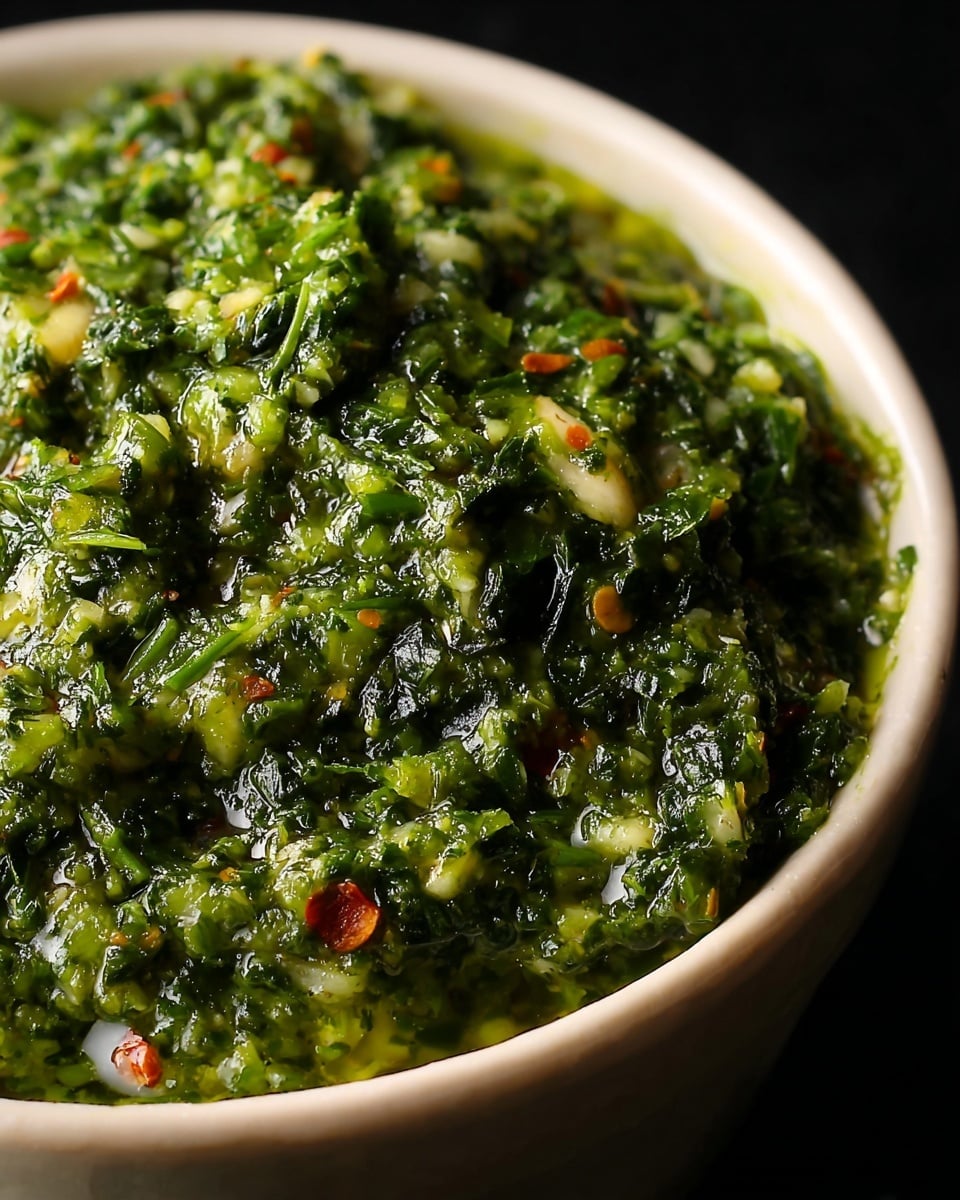
Serve this delicious recipe with your favorite sides.
FAQs
Can I use frozen basil to make pesto?
While fresh basil provides the best flavor and texture, you can use frozen basil in a pinch. Thaw and drain any excess moisture before processing, but the pesto may be less vibrant and slightly more bitter.
What can I use pesto on besides pasta?
Pesto is incredibly versatile—it’s great as a spread on sandwiches, a topping for grilled chicken or fish, mixed into soups, drizzled over roasted vegetables, or even used as a dip for bread and crackers.
PrintFresh Basil Pesto Recipe
This classic Basil Pesto recipe blends fresh basil leaves, toasted pine nuts, garlic, Parmesan cheese, and olive oil into a vibrant, aromatic sauce perfect for pasta, sandwiches, or as a flavorful dip. The simple preparation combines to create a rich and fresh condiment that elevates any dish.
- Prep Time: 10 minutes
- Cook Time: 5 minutes
- Total Time: 15 minutes
- Yield: Approximately 1 1/2 cups of pesto 1x
- Category: Sauce
- Method: Blending
- Cuisine: Italian
- Diet: Vegetarian
Ingredients
Basil Pesto Ingredients
- 5 cups Packed Fresh Basil Leaves
- 1 cup Freshly Grated Parmesan Cheese
- 1 cup Olive Oil
- 1/2 cup Pine Nuts
- 8 Garlic Cloves, peeled and finely chopped
- Salt, to taste
- Black Pepper, to taste
Instructions
- Prepare Basil Leaves: If needed, wash and thoroughly dry your basil leaves to remove any dirt or moisture. Set them aside.
- Toast Pine Nuts: Place the measured pine nuts in a nonstick pan over medium heat. Stir frequently and toast them until they become lightly browned and release a fragrant aroma, about 3-5 minutes. Remove from heat and let cool slightly.
- Rough Chop Basil Mixture: Add basil leaves, garlic, freshly grated Parmesan cheese, and olive oil into a food processor. Pulse briefly until the basil is coarsely chopped and the ingredients begin to combine.
- Add Pine Nuts and Blend: Add the toasted pine nuts to the food processor and continue to pulse until the mixture reaches a finely chopped, but still textured consistency.
- Season Pesto: Taste the pesto and season with salt and freshly ground black pepper according to your preference.
- Store Pesto: Transfer the pesto to an airtight container and refrigerate. It will keep well and develop flavor within the fridge for up to one week.
Notes
- To prevent the pesto from browning, pour a thin layer of olive oil on top before sealing the container.
- You can substitute walnuts or cashews if pine nuts are unavailable, though this will change the traditional flavor slightly.
- For a dairy-free version, omit Parmesan or substitute with nutritional yeast.
- Pesto freezes well; store in ice cube trays and freeze for convenient portioning.
- Use fresh, vibrant basil leaves for the best flavor; wilted or old leaves will result in a dull taste.
Keywords: Basil Pesto, Homemade Pesto, Italian Sauce, Basil Sauce, Pesto Recipe, Pasta Sauce